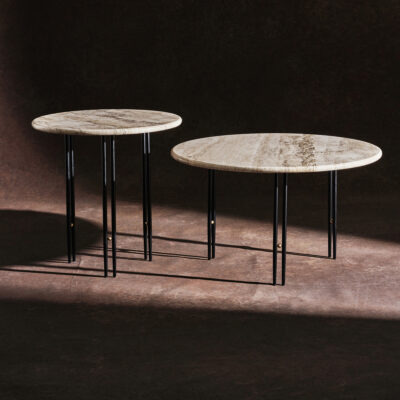
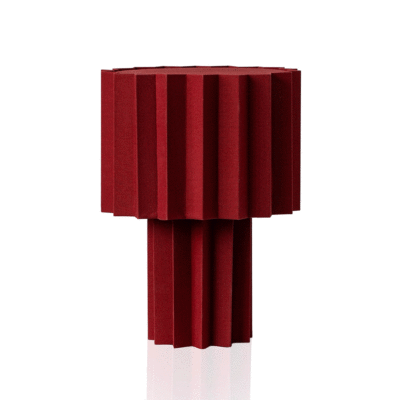
Companies Check back daily for fresh content and never miss out on the latest updates AllNews & EventsProduct NewsExhibitionsAwardsStockholm Furniture Fair 2024Fritz Hansen extends the Clam™ lighting series of original Danish design with new luminaires by Ahm & LundApril 26, 2024Unique to the sofa are its seat cushions, which are strung over a sturdy glulam construction design by Verk ProjectsApril 25, 2024Carl Hansen & Søn presents The Radio House Mirror design by Vilhelm LauritzenApril 24, 2024New Collection from Anki Gneib: Jack & Tictac – MarrakechApril 24, 2024GUBI presents a new, round-edged travertine edition of GamFratesi’s IOI TableApril 23, 2024Faneeri is a wooden folding chair crafted to combine comfortable seating with flat storage by Jonas Forsman – NikariApril 22, 2024Bimbo design by Peter Brandt celebrates 30th Anniversary – Blå StationApril 21, 2024Fritz Hansen proudly presents a special edition of the stylish Swan™ chair by Arne JacobsenApril 20, 2024The Escalia Linje staircase is a project Escalia and Andreas Engesvik are doing togetherApril 19, 2024Snøhetta has extended the Volum collection with four new floor variants – LodesApril 18, 2024The expansion of the VELIT collection with the lounge version design by Björn Dahlström – PlankApril 18, 2024BOB Split takes the iconic seating system one important step further by Thomas Bernstrand & Stefan Borselius – Blå StationApril 17, 2024Armchair Trienna originally designed by Carl-Axel Acking – VerkApril 16, 2024Måne – A wooden bowl in solid Ash designed by Torbjørn Anderssen & Espen Voll – Nedre FossApril 16, 2024The new Archetyp Lobby and Archetyp Lounge chairs by Jasper Morrison – NikariApril 15, 2024SuperDuperTube from hemp to lamp design by Snøhetta – ateljéLyktanApril 14, 2024Ambience is the sibling of Visir table lamp design by Pierre Sindre – ÖrsjöApril 13, 2024Børge Mogensen’s Minimalist Table Bench now with paper cord weave – Carl Hansen & SønApril 12, 2024The exhibition Garden Futures: Design that grows @ VandalorumApril 11, 2024House of Finn Juhl Draws Inspiration from Rediscovered Watercolour for Limited Anniversary Edition of the Chieftain ChairApril 11, 2024Aalto Benches now available in two larger new sizes and with new seat options – ArtekApril 10, 2024Resö chair designed by Matilda Lindblom, introduced in hundreds of new colors – SkargaardenApril 9, 2024Allwood made from a combination of solid wood, laminated parts and oak plywood by Anderssen & Voll – &TraditionApril 8, 2024My goal is to create items that serve people and give them the leading role, instead of forcing them to adapt to the items! Børge MogensenApril 7, 2024Introducing the Plenum™ Cabin an exceptional creation by Jaime Hayon – Fritz HansenApril 6, 2024Fraktur Pendant Lamp 3D printed in sand designed by Alexander LervikApril 5, 2024Monumental Knit @ Form/Design CenterApril 4, 2024Simple and unpretentious but at the same time sober stool by Studio Stockholm – VerkApril 4, 2024John Pawson and Dinesen have collaborated on different scales for more than three decades: on family homes, exhibitions, museums, chapels and furnitureApril 3, 2024Hans J. Wegner´s Wishbone Chair for children – Carl Hansen & SønApril 2, 2024Able is Product of the Year design by Lindau, Borselius & Bernstrand 2024April 1, 2024Peel – Folding pillar table for permanent and temporary events by Krook&Tjäder Design – Karl Andersson & SönerApril 1, 2024Planetary Boundaries – Rethinking Architecture and Design @ Form/Design CenterApril 1, 2024The Plissé table lamp design by Folkform now also comes in red and blue – ÖrsjöMarch 31, 2024The AJ Trolley™ now available in walnut veneer design by Arne Jacobsen – Fritz HansenMarch 30, 2024The Aalto foldable table returns to Artek, crafted for compact livingMarch 29, 2024Outdoor collection Ville, a celebration of nature and materiality by Anderssen & Voll – &TraditionMarch 28, 2024Bobergstorget, furnished with Harads, has been nominated for Landmärket 2023March 27, 2024The Kaiser idell Wall Lamp a industrial aesthetic that seamlessly blends form and function – Fritz HansenMarch 27, 2024A playful expressive design Utzon Stool by Jørn Utzon – Fritz HansenMarch 26, 2024Loading...Load More (4002)
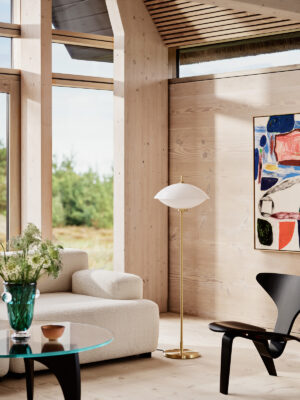
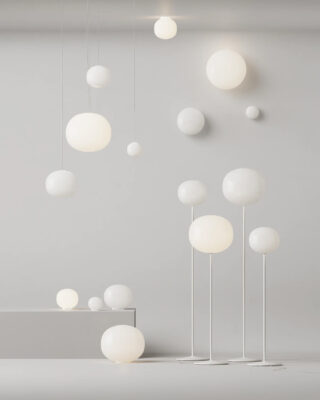
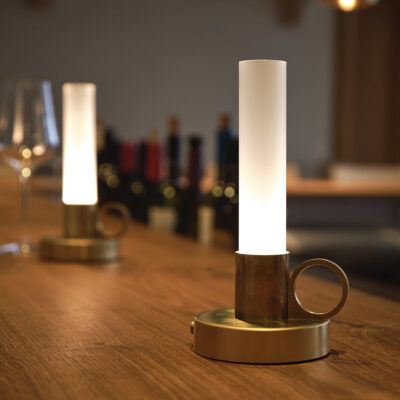
Fritz Hansen extends the Clam™ lighting series of original Danish design with new luminaires by Ahm & LundApril 26, 2024
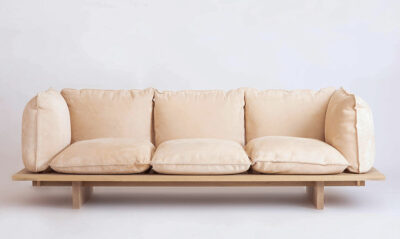
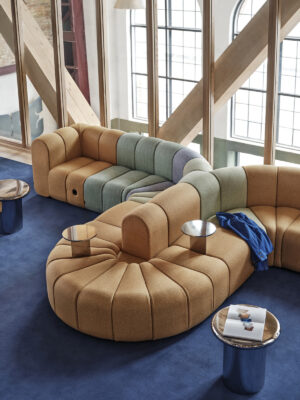
Unique to the sofa are its seat cushions, which are strung over a sturdy glulam construction design by Verk ProjectsApril 25, 2024
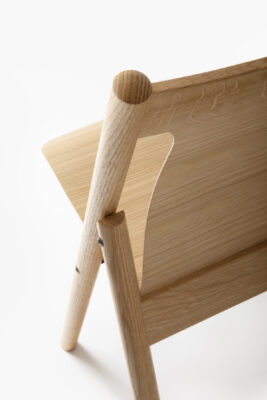
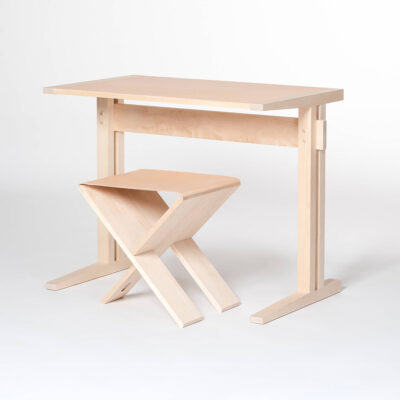
Faneeri is a wooden folding chair crafted to combine comfortable seating with flat storage by Jonas Forsman – NikariApril 22, 2024
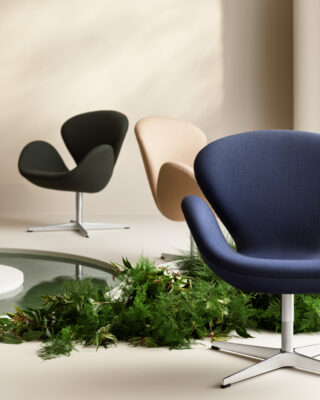
Fritz Hansen proudly presents a special edition of the stylish Swan™ chair by Arne JacobsenApril 20, 2024
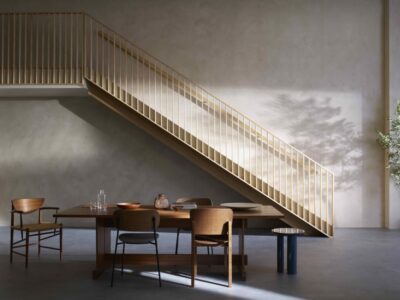
The Escalia Linje staircase is a project Escalia and Andreas Engesvik are doing togetherApril 19, 2024
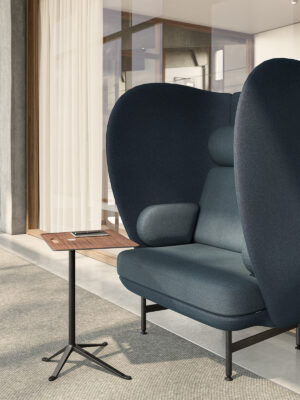
The expansion of the VELIT collection with the lounge version design by Björn Dahlström – PlankApril 18, 2024
BOB Split takes the iconic seating system one important step further by Thomas Bernstrand & Stefan Borselius – Blå StationApril 17, 2024
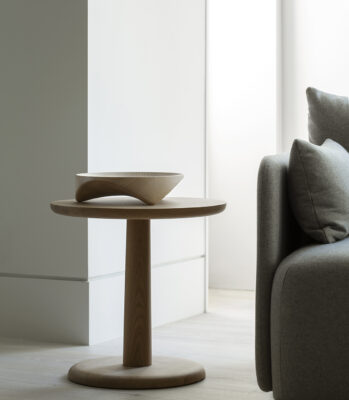
Måne – A wooden bowl in solid Ash designed by Torbjørn Anderssen & Espen Voll – Nedre FossApril 16, 2024
House of Finn Juhl Draws Inspiration from Rediscovered Watercolour for Limited Anniversary Edition of the Chieftain ChairApril 11, 2024
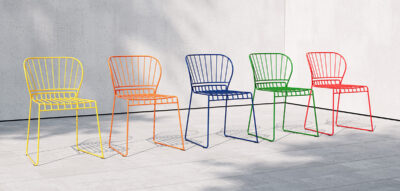
Resö chair designed by Matilda Lindblom, introduced in hundreds of new colors – SkargaardenApril 9, 2024
Allwood made from a combination of solid wood, laminated parts and oak plywood by Anderssen & Voll – &TraditionApril 8, 2024
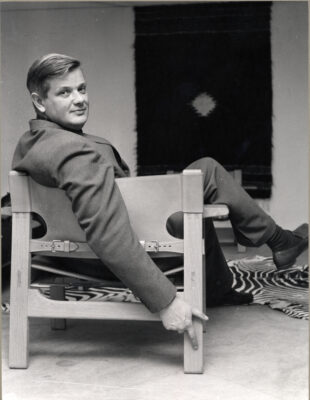
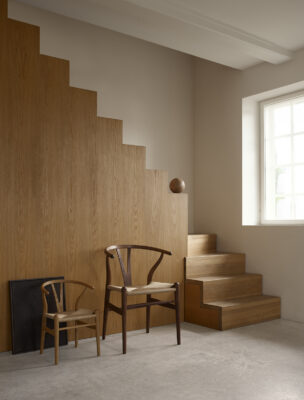
My goal is to create items that serve people and give them the leading role, instead of forcing them to adapt to the items! Børge MogensenApril 7, 2024
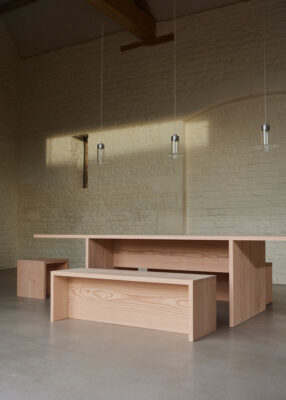
John Pawson and Dinesen have collaborated on different scales for more than three decades: on family homes, exhibitions, museums, chapels and furnitureApril 3, 2024
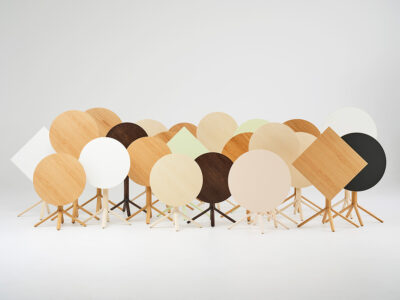
Peel – Folding pillar table for permanent and temporary events by Krook&Tjäder Design – Karl Andersson & SönerApril 1, 2024
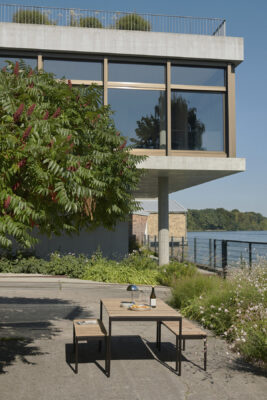
Outdoor collection Ville, a celebration of nature and materiality by Anderssen & Voll – &TraditionMarch 28, 2024
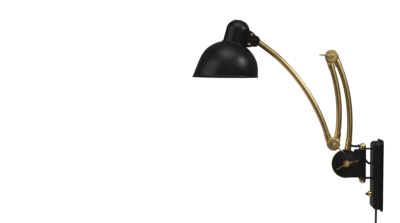
The Kaiser idell Wall Lamp a industrial aesthetic that seamlessly blends form and function – Fritz HansenMarch 27, 2024