
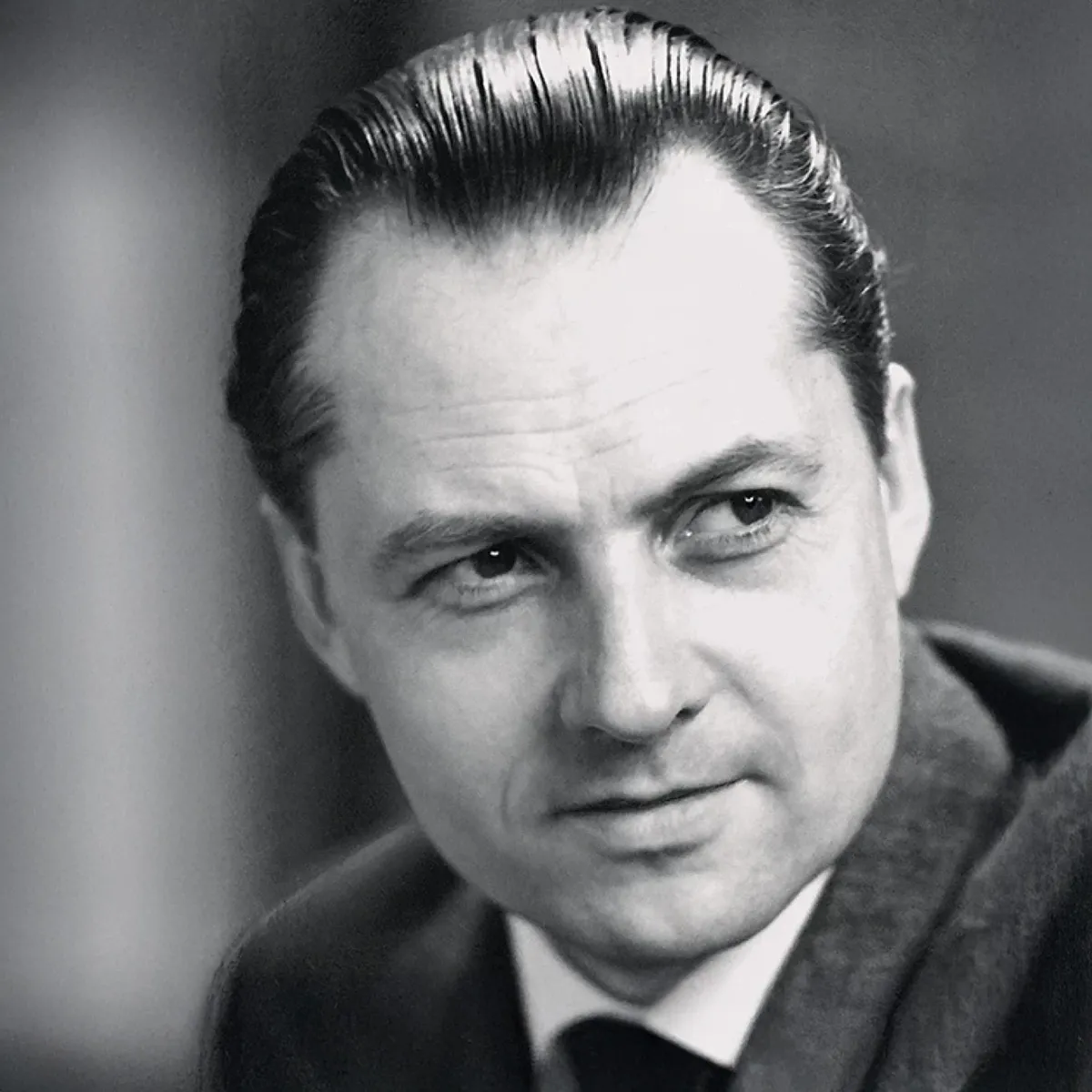
Vilhelm Lauritzen: The Architect Who Built Modern Denmark
How one man transformed concrete and glass into the visual language of a nation
The Man Who Made Functionalism Beautiful
At precisely 9:47 AM on July 20, 1939, the first commercial aircraft touched down at Kastrup Airport. The building that received it – luminous, horizontal, breathtakingly simple – announced to the world that Denmark had entered the modern age.
The architect responsible? Vilhelm Lauritzen. A name every Dane knows. A legacy every architect respects.
Between 1894 and 1984, Lauritzen didn’t just design buildings. He designed the backdrop for modern Danish life. His work defined how Danes would work, travel, shop, and gather for nearly a century.
The Buildings That Changed Everything
Radiohuset (1936-41): Where Denmark Found Its Voice
Before Radiohuset, Danish radio broadcast from cramped, inadequate quarters. Lauritzen gave Danish broadcasting not just a home, but a cathedral.
The building’s revolutionary circular concert hall, its meticulous acoustic planning, its integration of art and architecture – these weren’t decorative choices. They were functional poetry. Every curve served sound. Every material enhanced performance.
Today, Radiohuset stands as a listed monument. Not because it’s old. Because it’s perfect.
Kastrup Airport (1937-39): The Gateway Built for Flight
Most airport buildings of the 1930s looked backwards – monumental, imposing, earthbound. Lauritzen’s Kastrup looked forward.
Clean horizontal lines. Walls of glass. A building that seemed to float. Here was architecture that understood its purpose: to facilitate movement, to welcome travelers, to celebrate the miracle of flight.
The 1939 terminal is now protected as an irreplaceable example of European modernism. Lauritzen didn’t just build an airport. He built a philosophy of travel.
Nørrebro Theatre (1931-32): Democracy in Brick and Glass
Entertainment for the masses required architecture for the masses. The Nørrebro Theatre delivered both.
No gilt. No velvet. No pretension. Just honest materials, brilliant sight lines, and seating that didn’t discriminate by price. Lauritzen understood that functionalism wasn’t about stripping away beauty – it was about making beauty accessible.
Daells Varehus (1928-35): Where Shopping Became Modern
Before Daells Varehus, department stores were Victorian labyrinths. Lauritzen transformed retail into an experience of light, space, and possibility.
The building’s generous windows, its rational layout, its celebration of goods rather than grandeur – these innovations seem obvious now. In 1928, they were revolutionary.
The Later Masterworks
- Folkets Hus (1953-56) – Now Vega, Copenhagen’s beloved concert venue. A building that understood community before “community space” became a buzzword.
- Shellhuset (1950-51) – Corporate headquarters that proved business buildings needn’t be boring.
- Danish Embassy, Washington (1958-60) – Scandinavian restraint meeting American ambition. Diplomacy in glass and stone.
Why Lauritzen Matters Now
In an age drowning in architectural excess, Lauritzen’s work offers something radical: discipline.
Every material justified. Every detail considered. Every decision in service of human experience.
His buildings don’t scream. They don’t compete. They simply work – brilliantly, timelessly, beautifully.
This is why Radiohuset and the original Kastrup terminal are protected by law. Not as museum pieces, but as functioning demonstrations that great architecture transcends time.
The Lauritzen Method: Five Principles That Never Age
- Form follows function – But function, properly understood, includes beauty.
- Materials must be honest – Concrete looks like concrete. Glass acts like glass. No fakery.
- Light is architecture’s primary tool – Control it, and you control emotion.
- Details determine quality – The difference between good and great is measured in millimeters.
- Architecture serves people, not architects – Ego has no place in the blueprint.
The Legacy Living in Every Danish Building
Walk through Copenhagen today. Count how many buildings echo Lauritzen’s lessons:
- Horizontal emphasis
- Generous glazing
- Material honesty
- Refined restraint
You’ll lose count.
Vilhelm Lauritzen didn’t just design buildings. He designed a design language. One that Danish architecture still speaks fluently, 40 years after his death.
The Ultimate Tribute
The finest compliment you can pay Lauritzen’s work? You barely notice it.
His buildings don’t demand attention. They earn appreciation – slowly, surely, permanently.
They don’t age. They don’t date. They simply are.
In 1939, Lauritzen created the terminal that welcomed Denmark to the sky.
In 2025, we’re still learning from the man who made modernism Danish.
Vilhelm Lauritzen (1894-1984): Architect. Functionalist. Dane.
The man who proved that the future could be beautiful.
More design by Vilhelm Lauritzen:
Vilhelm Lauritzen’s Iconic Radio House Foyer Bench Gets Compact Update – Carl Hansen & Søn
Carl Hansen & Søn Launches a Shorter Version of Vilhelm Lauritzen’s Foyer Bench. Originally Designed …
The VL 45 Radiohus Pendant design by Vilhelm Lauritzen – Louis Poulsen
The VL 45 Radiohus Pendant never grows old Louis Poulsen kicks off 2025 with exciting …

VL 45 Radiohus Portable Lamp design by Vilhelm Lauritzen – Louis Poulsen
VL 45 Radiohus Portable Lamp In spring, Louis Poulsen will present the elegant and versatile …
Carl Hansen & Søn presents The Radio House Mirror design by Vilhelm Lauritzen
THE RADIO HOUSE MIRROR WAS DESIGNED BY VILHELM LAURITZEN IN 1945 EXCLUSIVELY FOR THE ROYAL …
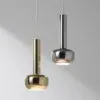
Iconic Lighting Designs by Architect Vilhelm Lauritzen Make Their Return – Louis Poulsen
The well-known functionalist architect, Vilhelm Lauritzen designed the VL 56 Pendant for Folkets Hus, in …
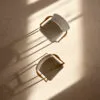
Monarch Chair is named after the majestic Monarch butterfly design by Vilhelm Lauritzen 1944 – Carl Hansen & Søn
VILHELM LAURITZEN ARCHITECTS AND CARL HANSEN & SON CONTINUE THEIR COLLABORATION WITH THE LAUNCH OF …
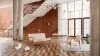
Carl Hansen & Søn launches The Foyer series by Vilhelm Lauritzen
Carl Hansen & Søn, in collaboration with Vilhelm Lauritzen Architects, launches the Foyer series exclusively …
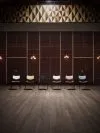
Vega Chair 1956 by Vilhelm Lauritzen – Carl Hansen & Søn
Vilhelm Lauritzen’s lightweight and stackable VLA26 Vega chair from 1956 has now become part of …
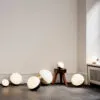
VL Studio Lamp by Vilhelm Lauritzen – Louis Poulsen
After revisiting the archives of Danish architect Vilhelm Lauritzen and his 1930s Gesamtkunstwerk Radiohuset in …
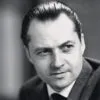
Vilhelm Lauritzen
Vilhelm Lauritzen: The Architect Who Built Modern Denmark How one man transformed concrete and glass …
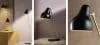
VL38 in black design by Vilhelm Lauritzen for Louis Poulsen
LOUIS POULSEN DEBUTS NEW MEMBER OF THE VILHELM LAURITZEN RANGE Louis Poulsen has a long …